HVAC Certification Guide: How To Get Qualified and What It Costs
Career & Education
|
March 19, 2026
Given the rapid pace of change in the HVAC industry, the demand for certified professionals to maintain comfortable, efficient indoor environments has never been more apparent. It is worth considering how earning HVAC certifications could significantly expand your career opportunities. Why not explore the range of certifications that can open doors to new opportunities in this burgeoning field?
What HVAC Certifications Are and Why They Matter
HVAC (Heating, Ventilation, and Air Conditioning) is critical to modern life, directly affecting indoor comfort, air quality, and energy efficiency in homes, offices, and industrial settings. With the surge in demand for energy-efficient solutions, skilled HVAC professionals are increasingly sought after.
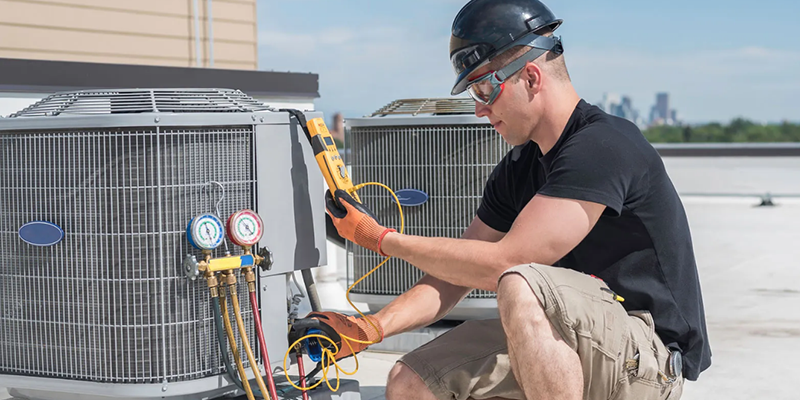
Among the various certifications available, the North American Technician Excellence (NATE) certification stands out as a premier credential. It assesses a technician's HVAC knowledge and skills, reassuring employers and clients of their proficiency. Additionally, the Environmental Protection Agency (EPA) certification is mandatory for anyone handling refrigerants, ensuring they are well-versed in safe practices and applicable regulations.
Additional options include the Refrigeration Service Engineers Society (RSES) certification and the HVAC Excellence certification, which focus on specialized skills ranging from refrigeration to comprehensive HVAC system management. Each certification enhances a technician's credibility, improving job prospects and earning potential, making it a sound investment for career advancement in the HVAC sector.
Study Hours and Training Programs
The journey to HVAC certification often involves varied study commitments, with training durations ranging from several months to over two years, depending on the complexity of the certification level pursued. Basic certifications typically require approximately 600 hours of combined classroom instruction and hands-on experience, while advanced certifications may require up to 2,000 hours of training. Statistical insights from the U.S. Bureau of Labor Statistics indicate that individuals who complete formal schooling or apprenticeships are better positioned in the job market and can expect higher incomes.
Costs of HVAC training programs generally range from $1,200 to $15,000, depending on the training provider and curriculum specifics. Community colleges often offer competitive pricing, while trade schools may providebroader resources and networking opportunities. Additionally, there is a range of financial aid options tailored for vocational programs, including grants, loans, and specialized scholarships. Resources such as the FAFSA (www.fafsa.gov) help prospective students evaluate their funding options.
By thoroughly assessing educational options and costs, aspiring HVAC technicians can make informed decisions about their path, ensuring a strong return on investment in this expansion-oriented field.
The Return on Investment
The employment landscape for certified HVAC technicians remains promising, particularly amid rising demand for efficient heating and cooling systems. Opportunities exist across a diverse range of employers, including large HVAC firms, independent contractors, government bodies, and educational institutions, all of which recognize the need for skilled technicians. Key sectors where HVAC knowledge is invaluable include residential construction, commercial buildings, and industrial facilities.
Salary estimates for certified HVAC technicians show a significant disparity by experience level and credentialing. Entry-level technicians can expect to earn approximately $40,000 annually, while individuals with advanced certifications or extensive experience may earn $70,000 or more. Industry certifications correlate with improved job prospects and higher salaries, as many employers offer merit pay and bonuses to certified staff.
Career Progression in the HVAC Field
Embarking on an HVAC career opens doors to numerous fulfilling job roles. Those holding certifications often start in roles such as HVAC technician, installation technician, or maintenance technician. These foundational roles equip newcomers with practical skills and troubleshooting expertise in real-world scenarios. As technicians gain experience and deepen their understanding of HVAC systems, they can advance to lead technician or service manager roles, where they manage teams and oversee complex projects.

Career growth in HVAC relies not only on work experience but also on dedication to continuous learning and earning additional certifications. Engaging in specialized training—whether in green technologies or advanced refrigeration—significantly boosts a technician's visibility. For example, achieving a NATE certification demonstrates a commitment to industry excellence and helps technicians differentiate themselves in a competitive market. Additionally, many employers actively encourage their team members to pursue further credentials, understanding that enhanced education fosters a more knowledgeable workforce.
As the HVAC field continues to evolve, remain committed to lifelong learning. Familiarizing oneself with emerging HVAC technologies, sustainable practices, and smart home systems is vital for personal development. An attitude geared towards continuous improvement not only advances individual careers but also elevates service quality across the entire industry, paving the way for a sustainable and prosperous future for HVAC professionals.
Weighing the Costs and Benefits
Investing in HVAC certification programs requires careful consideration of short-term costs against long-term benefits. Certification costs range from $1,000 to $5,000, depending on the specific program, and do not include materials or exam fees. Yes, these initial expenses often yield substantial returns, with certified professionals earning 10% to 20% more than their non-certified counterparts. This financial boost presents a compelling case for pursuing certification.
A success story highlights the transformative impact of certification: John Martinez, a certified HVAC technician, stated, "After achieving my certification, my hourly wage increased from $22 to $27. It was a game-changer for my family and me." This kind of testimonial is common; many HVAC professionals report higher salaries, greater job security, and more rewarding career trajectories after certification.
Given the rising demand for qualified HVAC technicians, obtaining certification distinctly positions candidates as capable and competitive in managing sophisticated systems and advanced technologies. Sarah Nguyen, another certified technician, reflects, "The investment in my education" opened doors I didn't even know existed. I nowdidn'tprojects I once only dreamed of." In sum, while upfront costs m "ght seem daunting, the prospect of higher earnings and greater career opportunities makes pursuing HVAC certification a valuable endeavor.
Conclusion
Investing in HVAC certifications can significantly enhance your career by creating pathways to greater opportunities and advancing your capabilities. As detailed in this article, these credentials not only validate your expertise but also elevate your marketability in a competitive job landscape. Take the proactive step of pursuing HVAC certification to elevate your career!
Just For You

Discovering Adventure Hiking and Surfing in the USA
May 5, 2026

The Ultimate Chocolate Lover’s Dessert Guide
April 8, 2026
Detailed Look At HVAC Training Programs For Aspiring Technicians
March 19, 2026

The Pros and Cons of Being a Digital Nomad (Realistic and Honest)
March 18, 2026

Modular Baby Strollers: Why Flexible Designs Are Gaining Popularity
March 16, 2026

The Best Cheap Caribbean Destinations That Tourists Haven't Ruined Yet
March 13, 2026
Recommended For You

How To Plan A Perfect Group Travel Experience

How To Survive Long Flights Without Feeling Drained

Game-Driven Learning: Best LMS Platforms That Boost Engagement

Iron Deficiency in Infants: Why This Hidden Risk Matters More Now

The Best Digital Nomad Jobs That Pay Well Enough to Actually Travel